
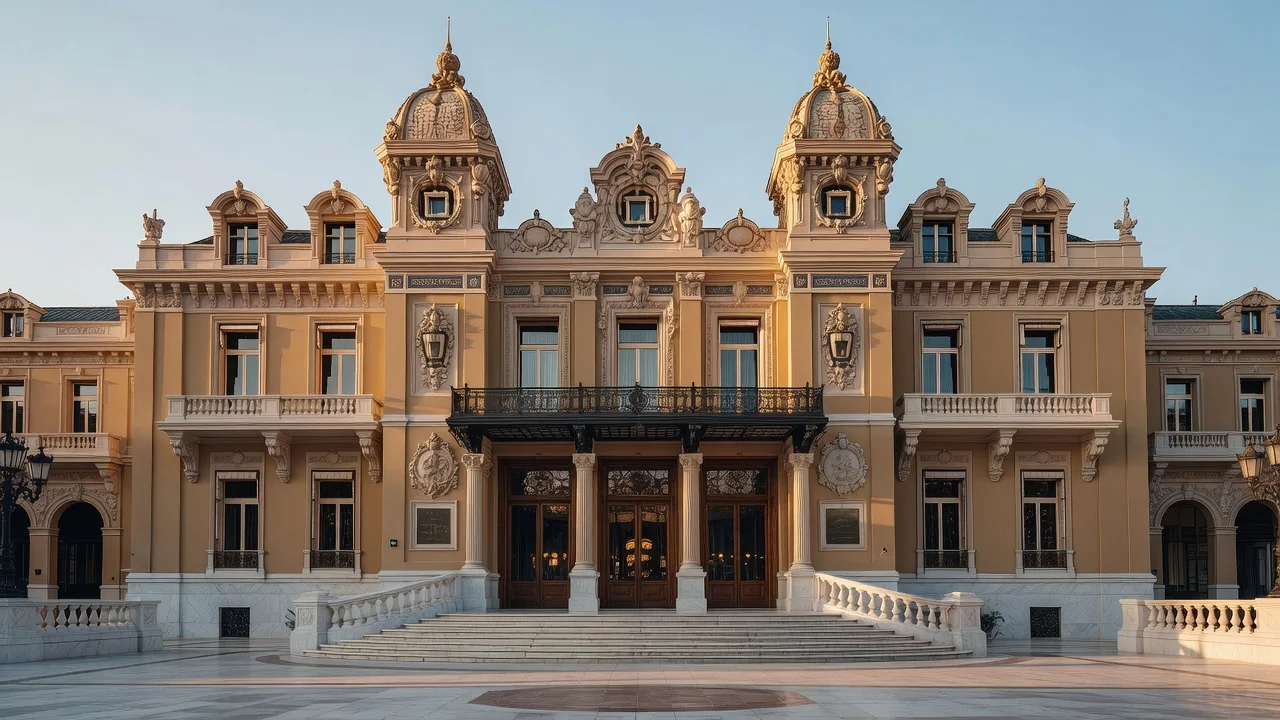
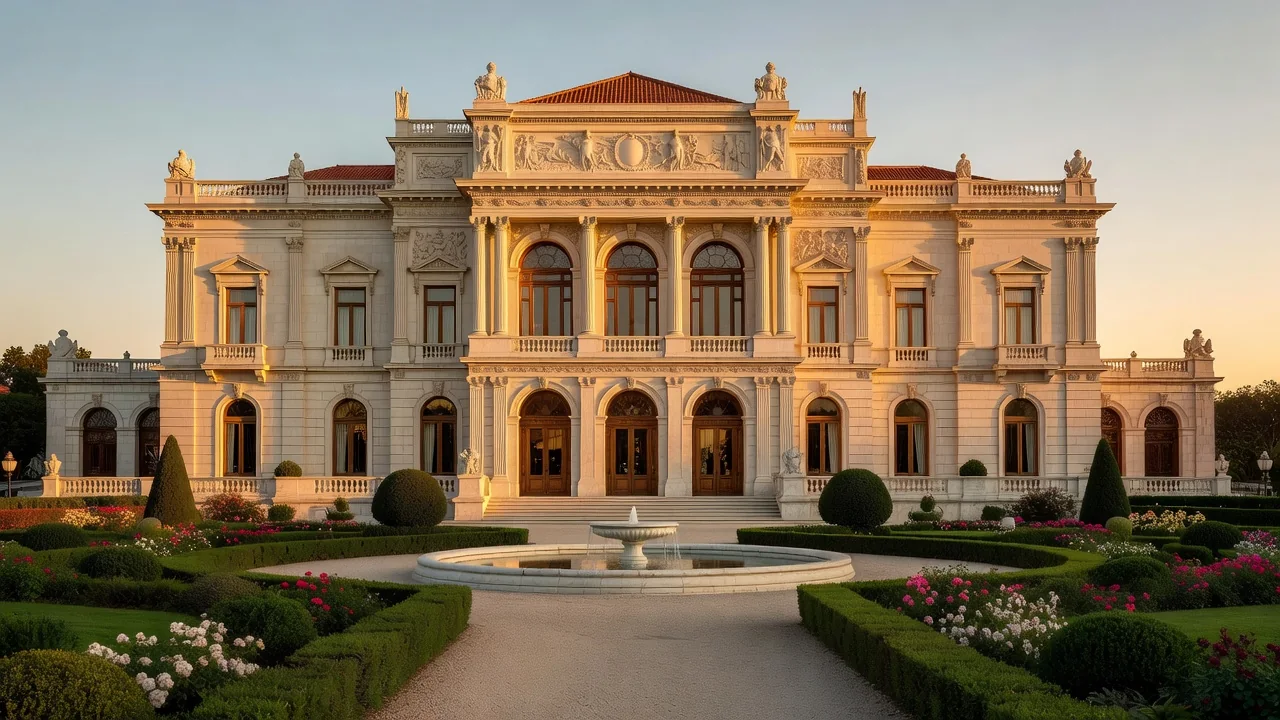
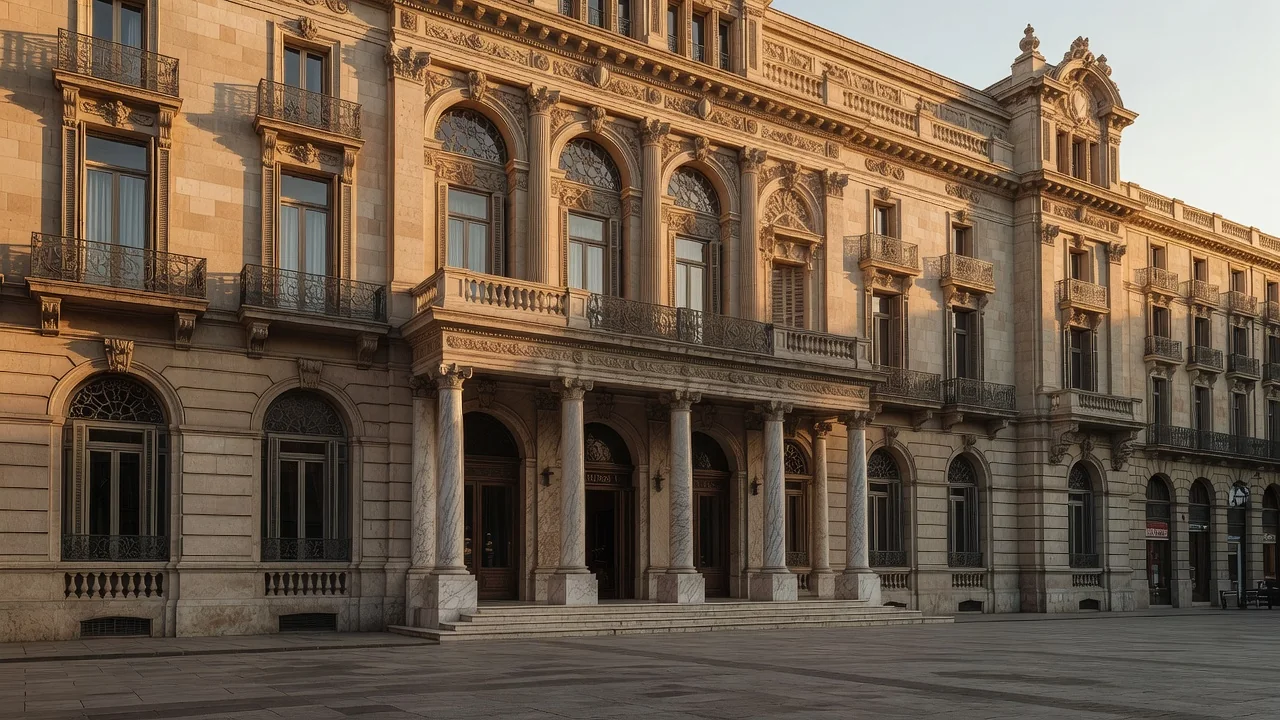
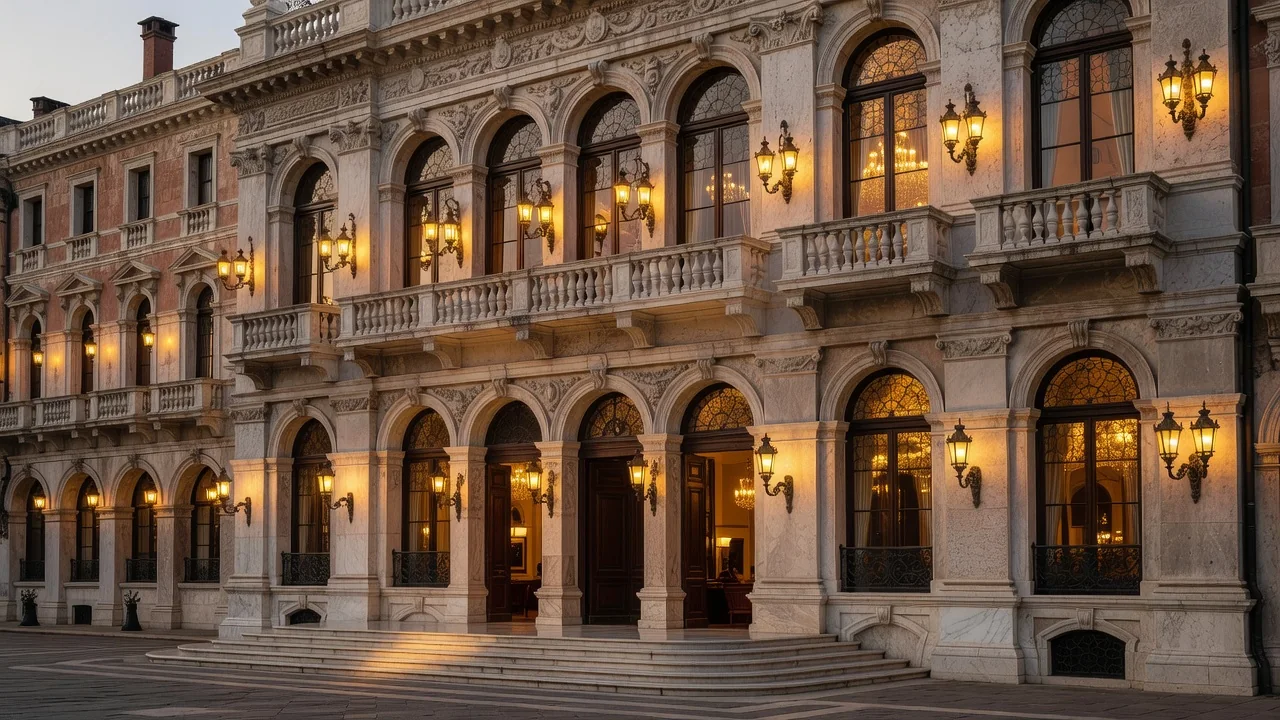
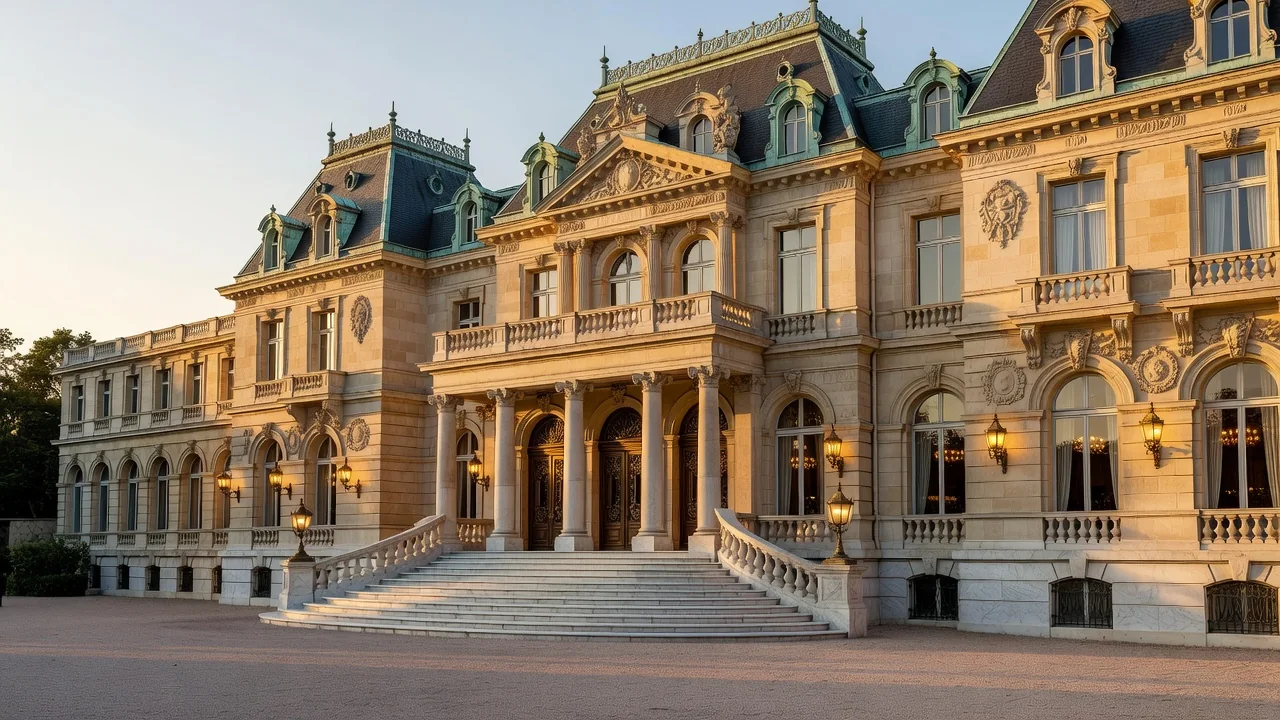
Welcome to The Most Prestigious Land-Based Casinos in Europe, your ultimate guide to the continent’s finest gambling establishments. Europe is home to some of the world’s most iconic and luxurious casinos, where history, elegance, and excitement converge to create unforgettable experiences. From the opulent halls of Monte Carlo to the vibrant gaming floors of London, these venues are more than just places to play—they are cultural landmarks steeped in tradition and sophistication.
Whether you’re a seasoned gambler or a curious traveler, this site will take you on a journey through Europe’s elite casino scene, offering insights into their histories, offerings, and unique charms.
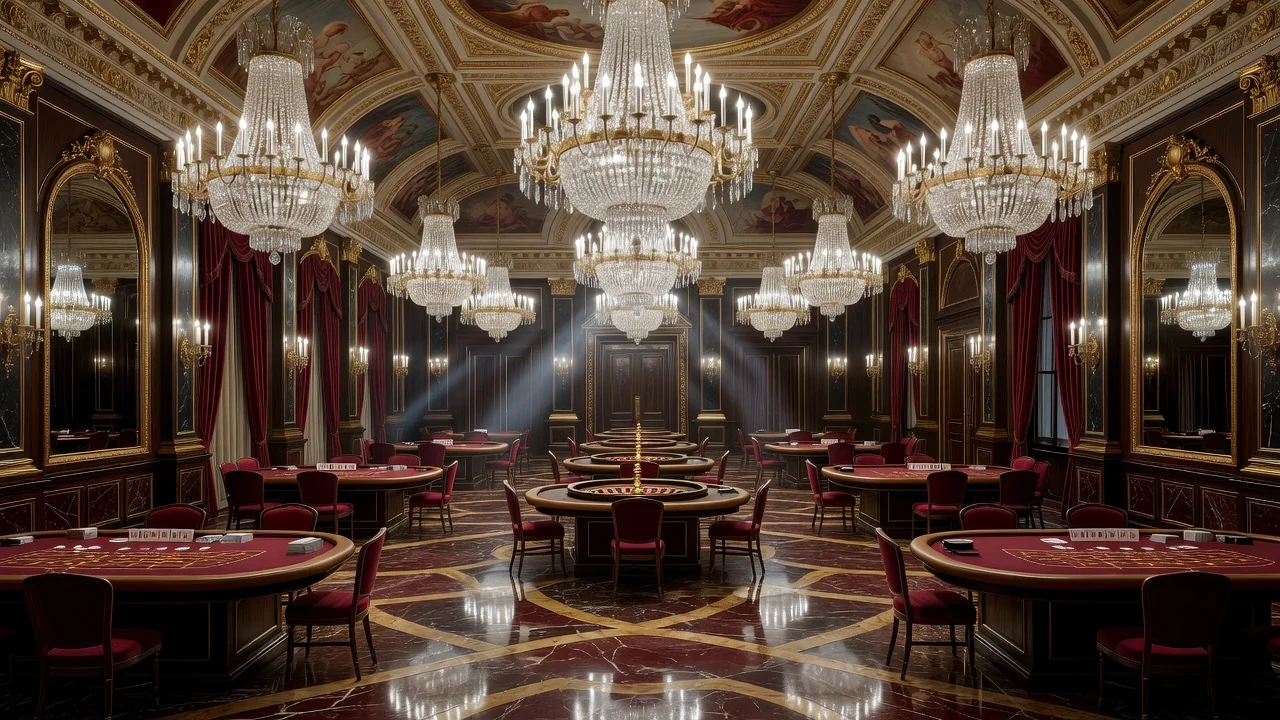
Gambling has long been a part of European culture, evolving over centuries from simple games of chance to the grand establishments we know today. The casinos featured here are not only renowned for their gaming options—such as blackjack, poker, roulette, and slots—but also for their architectural beauty, high-stakes atmosphere, and exclusive clientele. Many of these venues have hosted royalty, celebrities, and dignitaries, cementing their status as symbols of prestige and luxury.
On this homepage, we’ll introduce you to the allure of these casinos, explore their historical roots, and provide a detailed overview of what makes them stand out in the world of gambling.
The Allure of European Casinos
The appeal of European casinos lies in their ability to blend tradition with modernity, offering visitors a gaming experience unlike any other. Unlike the sprawling, neon-lit resorts of Las Vegas, many of Europe’s most prestigious casinos are housed in historic buildings that exude grandeur and refinement. Think chandeliers, marble floors, and gilded ceilings paired with the thrill of the gaming tables—a combination that draws millions of visitors each year. These establishments cater to a diverse audience, from high rollers seeking exclusive VIP rooms to casual players enjoying a night out in style.
Beyond the games themselves, these casinos are often located in cities renowned for their culture, cuisine, and scenery. Monte Carlo’s casino, for instance, sits in the heart of Monaco, a playground for the rich and famous, while Baden-Baden’s casino in Germany is nestled amid the Black Forest’s serene landscapes. This fusion of gambling with travel and leisure makes Europe’s casinos a unique draw for tourists and locals alike. They’re not just places to test your luck—they’re destinations that promise a full sensory experience, from the clink of chips to the rustle of evening gowns.
The History of Gambling in Europe
The roots of gambling in Europe stretch back thousands of years, intertwining with the continent’s social, political, and economic development. What began as informal games among ancient civilizations evolved into a structured pastime that shaped the leisure habits of entire nations. The history of gambling is a fascinating tapestry, woven with tales of risk, reward, and regulation, and it provides the foundation for the prestigious casinos we celebrate today.
In ancient Rome, gambling was a widespread activity, despite periodic attempts by authorities to ban it. Citizens wagered on everything from dice games to chariot races, often in defiance of strict laws. The Roman game of ludus duodecim scriptorum, a precursor to backgammon, hints at the early sophistication of these pastimes. As the Roman Empire declined, gambling persisted through the Middle Ages, with card games and lotteries gaining popularity. By the Renaissance, Europe saw the emergence of gaming houses, where the wealthy gathered to play for high stakes—an early precursor to the modern casino.
“The air of the gambling hall was thick with the fever of hope and despair, a sensation no words can fully describe.”
- Ancient Beginnings: Gambling in Rome was so popular that Emperor Augustus reportedly lamented its excesses, yet he himself indulged in dice games.
- Medieval Lotteries: By the 15th century, lotteries were used across Europe to fund public projects, from bridges to wars, laying the groundwork for organized gambling.
- The Ridotto’s Legacy: Venice’s experiment in 1638 showed that gambling could be both a public entertainment and a state revenue source.
- Roulette’s Rise: France’s invention of roulette in the 1700s added a glamorous new dimension to gaming, captivating players with its elegant simplicity.
- Spa Town Boom: The 19th-century trend of combining gambling with health tourism turned towns like Baden-Baden into cultural hubs.
“Monte Carlo is a place where the improbable becomes possible, and fortunes change with the turn of a card.”
Prestigious Land-Based Casinos in Europe
| Casino Name | Location | Established | Key Features |
|---|---|---|---|
| Casino de Monte-Carlo | Monte Carlo, Monaco | 1863 | Belle Époque architecture, high-stakes gaming, James Bond film appearances |
| Casino Baden-Baden | Baden-Baden, Germany | 1830s | Spa town setting, ornate interiors, inspired Dostoevsky’s The Gambler |
| The Ritz Club | London, UK | 1906 | Exclusive membership, luxury dining, historic Georgian building |
| Casino di Venezia | Venice, Italy | 1638 | World’s oldest casino, canal-side location, Renaissance elegance |
| Casino Estoril | Estoril, Portugal | 1916 | WWII spy haunt, largest casino in Europe by gaming space, oceanfront views |
The casinos listed above are more than mere gambling halls—they are living monuments to Europe’s enduring love affair with chance. The Casino de Monte-Carlo, with its Belle Époque splendor, has become a cinematic icon, while Baden-Baden’s ornate interiors inspired literary masterpieces. Venice’s Casino di Venezia, the oldest of its kind, offers a direct link to the 17th century, its canal-side setting adding a romantic veneer to every visit. These venues have weathered time, adapting to new eras while preserving the elegance that defines them.
In the 20th century, Europe’s casinos faced new challenges and opportunities. Two world wars disrupted operations, forcing temporary closures, but the post-war boom saw a resurgence. London’s gaming scene, for instance, exploded with the 1968 Gaming Act, which legalized private clubs like The Ritz, catering to a burgeoning middle class alongside the elite. Portugal’s Casino Estoril, meanwhile, gained fame as a wartime hub for spies, its sprawling floor and oceanfront views making it a magnet for intrigue and glamour.
These stories illustrate how casinos became woven into the fabric of European history, reflecting both its upheavals and its triumphs.
Today, these establishments continue to thrive by balancing tradition with innovation. Modern visitors can enjoy classic games alongside cutting-edge slot machines and electronic tables, all within settings that evoke centuries past. The prestige of these casinos isn’t just in their longevity—it’s in their ability to remain relevant. They attract a global clientele, from tourists snapping photos outside Monte Carlo to serious players vying for jackpots in Estoril. This adaptability ensures their place in the 21st century, even as online gambling rises in popularity.
European Casinos vs. Las Vegas: A Tale of Two Gambling Worlds
The global gambling landscape is dominated by two contrasting giants: the refined, heritage-rich casinos of Europe and the bold, boundary-pushing resorts of Las Vegas. These two worlds offer vastly different takes on what it means to roll the dice or spin the wheel, shaped by their unique approaches to design, player engagement, economic roles, and visions for the future. Far from being mere venues for betting, they represent distinct lifestyles—one steeped in tradition and exclusivity, the other in innovation and inclusivity.
This exploration dives into the nuances that define these gambling meccas, revealing how they cater to different desires and leave lasting impressions on those who walk through their doors.
Design Philosophy: Artistry vs. Immersion
“We don’t design buildings in Vegas—we design experiences, places that pull you in and never let you go.”
“Europe’s casinos sprinkle gold dust on their towns; Vegas mines it, turning a desert into a metropolis.”
Future Trends: Tradition Meets Tech vs. Innovation Unleashed
Looking ahead, the trajectories of these gambling worlds diverge yet again. European casinos are cautiously blending tradition with technology, preserving their core identity while adapting to new demands. The Casino Barcelona, for example, has introduced digital betting terminals alongside its classic tables, offering a nod to modernity without sacrificing its elegant vibe. Similarly, the Kurhaus Casino experiments with live-streamed games for online players, extending its reach while keeping its physical space sacrosanct.
The focus remains on enhancing the in-person experience—think augmented reality displays that explain game rules or apps for seamless reservations—rather than overhauling the traditional model.
Las Vegas, meanwhile, is unleashing innovation at breakneck speed. Resorts like the Palms are testing virtual reality gaming zones, where players can battle in immersive digital worlds, while the Luxor explores AI-driven slot machines that adapt to player habits. The city’s future is about pushing boundaries—integrating blockchain for secure betting, hosting e-sports tournaments, and even flirting with drone shows to outdo its own spectacle. Vegas doesn’t just adapt; it redefines, aiming to stay ahead of global trends and keep its title as the world’s gambling capital.
This relentless drive contrasts with Europe’s measured evolution, highlighting their differing visions for what’s next.
Key Differences at a Glance
Here’s a snapshot of how these worlds diverge:
- Lighting and Sound: Europe uses soft lighting and quiet tones for intimacy; Vegas employs bright LEDs and loud soundscapes for excitement.
- VIP Experience: European casinos offer bespoke services (private hosts, tailored events); Vegas provides lavish suites and comped extravagances.
- Game Innovation: Europe refines classics; Vegas invents hybrids like slot-tournaments.
- Sustainability: Some European casinos adopt green practices (e.g., energy-efficient lighting); Vegas prioritizes growth over eco-focus.
- Community Role: Europe’s casinos are local landmarks; Vegas’s are global brands.
These contrasts paint a picture of two gambling cultures with distinct DNA—one rooted in legacy, the other in limitless possibility.
European Casinos vs. Las Vegas Resorts
| Aspect | European Example (Casino Barcelona) | Las Vegas Example (The Palms) |
|---|---|---|
| Location | Barcelona, Spain | Las Vegas, Nevada, USA |
| Opened | 1999 | 2001 |
| Design Style | Modern with historic touches | Sleek, contemporary with bold art |
| Primary Games | Poker, blackjack, roulette | Slots, craps, sports betting |
| Economic Role | Tourism enhancer | Regional economic driver |
| Tech Integration | Digital terminals, live streaming | VR gaming, AI slots |
| Visitor Focus | Local elites, tourists | Global tourists, partygoers |
| Unique Feature | Seafront terrace gaming | Rooftop nightclub and pool |
Why It Matters
The differences between European casinos and Las Vegas resorts go beyond aesthetics or economics—they reflect how each region interprets the essence of gambling. Europe offers a refined escape, where the act of playing is a cultured ritual tied to place and pride. Las Vegas delivers a relentless adventure, where the stakes are as much about the experience as the winnings. Whether you’re drawn to the quiet sophistication of a Barcelona gaming terrace or the electric chaos of a Vegas poolside casino, both worlds prove that gambling is as much about identity as it is about chance.
What Sets European Casinos Apart?
European casinos possess a magnetic allure that distinguishes them from gambling hubs worldwide, offering an experience that transcends the mere act of placing bets. This uniqueness isn’t just about their games or glamour—it’s a tapestry woven from their atmospheric finesse, regional character, culinary artistry, and the narratives embedded in their walls. These elements combine to create destinations that feel less like gaming halls and more like portals to Europe’s soul, inviting visitors into a world where every detail tells a story. Let’s explore what elevates these casinos into a league of their own.
Ambiance: A Symphony of Senses
“In a European casino, the air feels thick with possibility—not just of winning, but of being part of something larger, something exquisitely alive.”
“European casinos don’t just offer games—they offer sagas, where every table has a tale and every chandelier a secret.”
Distinctive Traits in Focus
Here are some standout features that define European casinos:
- Soundscapes: Subtle music (classical or jazz) enhances the mood, unlike the pop-heavy beats of other regions.
- Seasonal Events: Casinos host region-specific festivities, like Sanremo’s summer concerts or Helsinki’s winter galas.
- Artistic Touches: Paintings, sculptures, and stained glass add cultural weight to the spaces.
- Personalized Service: Staff often tailor interactions to individual guests, from remembering drink preferences to offering game tips.
- Integration with Nature: Many, like Sanremo or Póvoa, boast terraces or gardens, merging indoor play with outdoor beauty.
These traits create a richness that’s uniquely European, blending gambling with a broader tapestry of life.
Signature European Casino Features
| Casino | Location | Unique Ambiance | Culinary Highlight | Storytelling Element |
|---|---|---|---|---|
| Casino Gran Madrid | Madrid, Spain | Art deco elegance | Michelin-starred tapas | Ties to Spain’s golden age |
| Casino Sanremo | Sanremo, Italy | Mediterranean warmth | Ligurian seafood | Belle époque legacy |
| Casino Wiesbaden | Wiesbaden, Germany | Neoclassical grandeur | German fine dining | Dostoevsky’s inspiration |
| Casino Helsinki | Helsinki, Finland | Nordic simplicity | Finnish smoked salmon | Post-war resilience tale |
| Casino Póvoa | Póvoa de Varzim, PT | Coastal charm | Portuguese bacalhau | Maritime heritage connection |
Why It’s Special
What sets European casinos apart is their ability to transcend the transactional nature of gambling, turning it into an immersive, multifaceted experience. The ambiance invites contemplation, the regional diversity reflects a continent’s complexity, the cuisine elevates every visit, and the storytelling weaves a thread of wonder through it all. Whether you’re drawn to the quiet sophistication of Helsinki or the sunlit terraces of Sanremo, these casinos offer more than a chance to win—they offer a chance to feel, taste, and live Europe’s essence. It’s this holistic allure that makes them not just places to play, but places to belong.
Planning Your 2026 Casino Journey
Europe rewards the slow casino traveller: our European casino travel guide 2026 maps rail routes and budgets from Lisbon to Rozvadov, the etiquette guide covers dress codes and tipping, and the history of gambling in Europe adds the backstory to every chandelier. Entry rules, fees and packages change with the seasons — always check the current terms on each venue’s official channels before you travel.